
Filing taxes isn’t just about meeting a deadline—it’s an opportunity to understand how today’s decisions affect your broader financial picture. While your tax professional handles the technical work, asking the right questions can help you gain clarity, avoid surprises, and make more informed choices throughout the year.
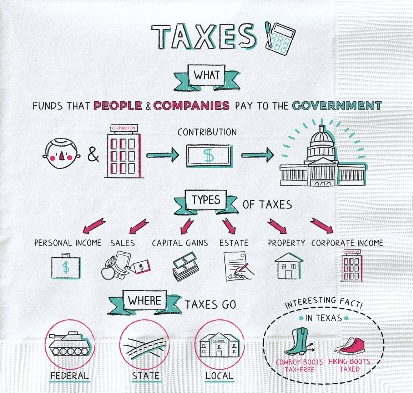
Below are key questions many individuals and families find helpful to discuss with their tax professional.
1. What Changed in the Tax Rules This Year That Applies to Me?
Tax laws evolve regularly, and even small changes can have meaningful impacts.
Why this matters:
Understanding what’s new—whether related to income thresholds, deductions, credits, or reporting rules—helps you avoid missed opportunities or unexpected liabilities.
Follow-up to consider:
- Did any recent changes affect how my income is taxed?
- Are there new credits or deductions I may qualify for?
2. Are There Deductions or Credits I Might Be Overlooking?
Many people focus only on the most obvious deductions, but others can be easy to miss.
Why this matters:
Some deductions and credits depend on life events, employment structure, or specific expenses that aren’t always obvious.
Follow-up to consider:
- Are there deductions related to education, caregiving, or healthcare?
- Are there credits tied to energy efficiency, dependents, or income levels?
3. How Do My Income Sources Affect My Tax Situation?
Income isn’t taxed the same way across the board.
Why this matters:
Wages, bonuses, self-employment income, investment income, and retirement distributions can all be treated differently for tax purposes.
Follow-up to consider:
- Is any of my income taxed at different rates?
- Are there planning opportunities based on how my income is structured?
4. Should I Adjust My Withholding or Estimated Payments?
Owing a large balance—or receiving an unexpectedly large refund—can be a signal worth discussing.
Why this matters:
Proper withholding helps align your tax payments with your actual tax obligation, reducing surprises and improving cash flow.
Follow-up to consider:
- Am I withholding too much or too little?
- Should estimated payments be adjusted for the coming year?
5. How Do My Life Changes Impact My Taxes?
Major life events often have tax consequences.
Why this matters:
Changes such as marriage, divorce, having children, buying a home, changing jobs, or starting a business can all affect your tax picture.
Follow-up to consider:
- Did any life changes this year create new tax considerations?
- Are there steps I should take now to prepare for next year?
6. Are There Tax Planning Opportunities for the Year Ahead?
Tax filing looks backward, but good tax conversations look forward.
Why this matters:
Proactive planning may help reduce future tax exposure and align financial decisions more intentionally.
Follow-up to consider:
- Are there actions I can take this year to be more tax-efficient?
- Are there timing considerations for income or expenses?
7. What Records Should I Keep—and for How Long?
Good documentation supports accuracy and reduces stress.
Why this matters:
Knowing what to retain—and what can be safely discarded—helps with organization and audit preparedness.
Follow-up to consider:
- Which documents should I keep long-term?
- What’s the best way to organize records going forward?
8. How Does My Tax Situation Fit Into My Bigger Financial Picture?
Taxes don’t exist in isolation.
Why this matters:
Tax decisions often intersect with cash flow planning, retirement strategy, charitable giving, and long-term goals.
Follow-up to consider:
- Are there areas where coordination with my financial planning would be helpful?
- Are there recurring tax issues I should plan around?
Final Thought
A strong relationship with your tax professional starts with good communication. Asking thoughtful questions helps you better understand your financial landscape and supports more confident decision-making throughout the year.
Many families find that coordinating tax conversations with broader financial planning brings added clarity—ensuring that tax decisions support the life they’re working toward, not just the return they’re filing.
 Keith Weiss CFP®