When planning for retirement, many people focus on average investment returns over time. While long-term averages are important, the timing of investment returns can also play a significant role in retirement outcomes.
This concept is known as sequence of returns risk. It refers to the risk that poor market performance early in retirement could have a greater impact on a portfolio than similar market declines later in retirement.
Understanding how this risk works can help retirees evaluate strategies that support more stable retirement income.
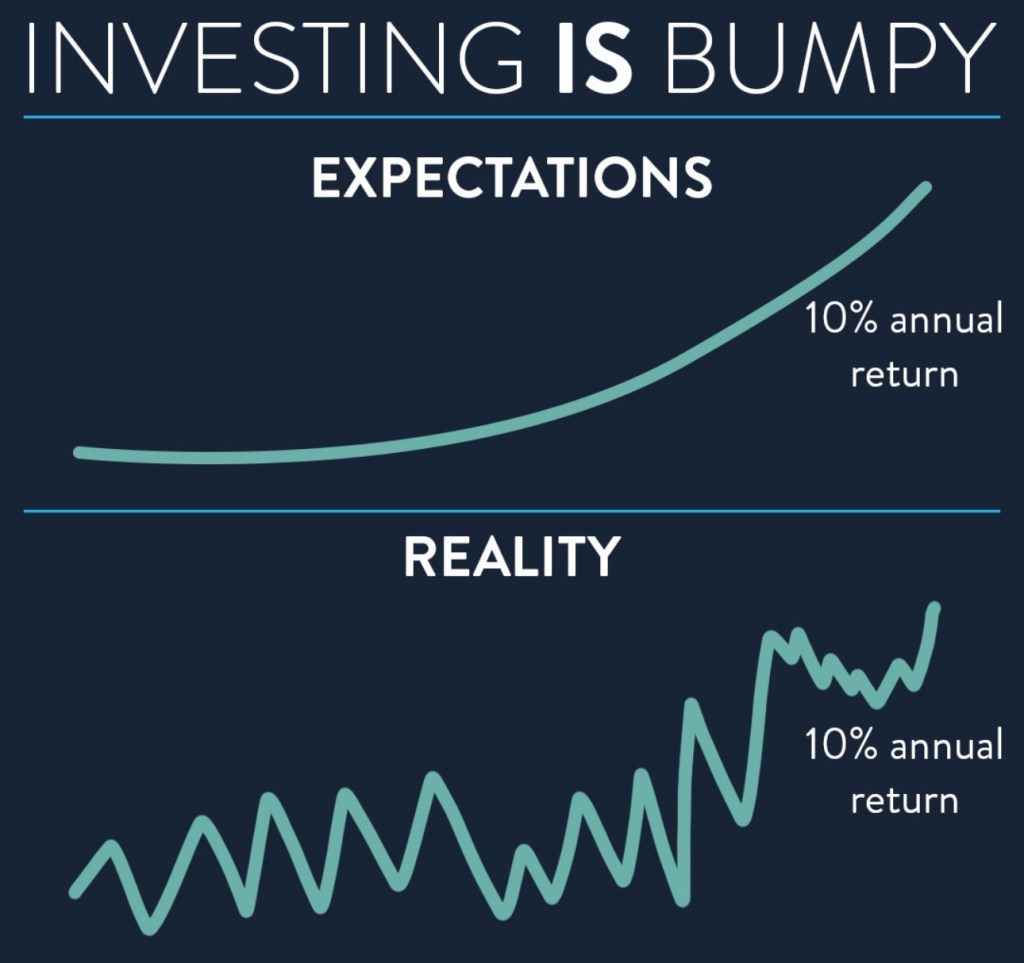
What Is Sequence of Returns Risk?
Sequence of returns risk occurs when negative investment returns happen early in retirement while withdrawals are being taken from the portfolio.
Even if long-term average returns are similar, the order in which those returns occur can influence how long a portfolio may last.
For example, two retirees might experience the same average investment return over 25 years. However, if one retiree experiences market losses early in retirement while taking withdrawals, their portfolio may decline more quickly than someone whose market losses occur later.
This happens because withdrawals during market downturns may require selling investments when their value is temporarily lower.
Why Early Retirement Years Matter
The first several years of retirement are often considered particularly important when it comes to sequence of returns risk.
During this period:
- withdrawals are beginning
- investment portfolios may still be heavily relied upon for income
- market declines can reduce the portfolio’s starting value
If markets recover later, the portfolio may have less capital remaining to participate in that recovery.
Because of this, many retirement planning strategies consider how to manage risk during the early years of retirement.
How Withdrawals Affect Portfolio Longevity
When retirees take withdrawals from their portfolios, they are gradually reducing the invested balance. If withdrawals occur during periods of market declines, the combination of investment losses and withdrawals may accelerate portfolio depletion.
This does not mean that market volatility should be avoided entirely. Instead, it highlights the importance of coordinating withdrawal strategies with investment management.
Strategies That May Help Manage Sequence Risk
While market performance cannot be predicted, several planning strategies are often used to help manage sequence of returns risk.
Maintaining a Diversified Portfolio
Diversification spreads investments across different asset classes. While diversification cannot eliminate risk, it may help reduce the impact of market volatility on the overall portfolio.
Flexible Withdrawal Strategies
Some retirees adjust their spending or withdrawals during periods of market decline. Temporary reductions in withdrawals may allow the portfolio more time to recover.
Maintaining Cash or Short-Term Reserves
Some retirement strategies include holding cash reserves or short-term investments that can be used for spending during market downturns.
This approach may reduce the need to sell long-term investments during periods when markets are temporarily lower.
Coordinating Income Sources
Retirement income often comes from several sources, such as:
- Social Security benefits
- pensions
- retirement accounts
- taxable investment accounts
Coordinating withdrawals from different accounts can sometimes help provide more flexibility when markets fluctuate.
Sequence Risk and Long-Term Planning
Sequence of returns risk highlights an important reality of retirement planning: the transition from saving to spending changes how investment risk affects a portfolio.
During working years, market declines may create opportunities for long-term investors who continue contributing to their portfolios. In retirement, however, withdrawals may amplify the impact of early market volatility.
Because of this, retirement planning often involves developing strategies that balance income needs with long-term investment growth.
Aligning Strategy With Retirement Goals
Ultimately, retirement planning is about more than managing risks. The goal is to ensure financial resources support the lifestyle and experiences that matter most throughout retirement.
When investment strategy, withdrawal planning, and long-term goals are aligned, individuals can approach retirement with greater clarity and confidence.
Final Thoughts
Sequence of returns risk is an important concept for retirees and those approaching retirement. While long-term investment returns remain important, the timing of those returns can also influence how retirement savings perform over time.
By understanding this risk and considering thoughtful withdrawal strategies, retirees can take a more informed approach to managing their retirement income.
Considering Financial Planning?
If you’re thinking about retirement, taxes, investments, or other important financial decisions, a conversation may help clarify your next steps.
Continue Reading
Retirement planning involves several variables including taxes, investment strategy, and spending assumptions.
About Weiss Financial Group
Keith Weiss is a financial planner and principal of Weiss Financial Group, serving individuals and families throughout Westchester County, Putnam County, and nearby Connecticut communities.
 Keith Weiss CFP®
Leave a comment